You are supporting a labour where, on paper, everything should be progressing
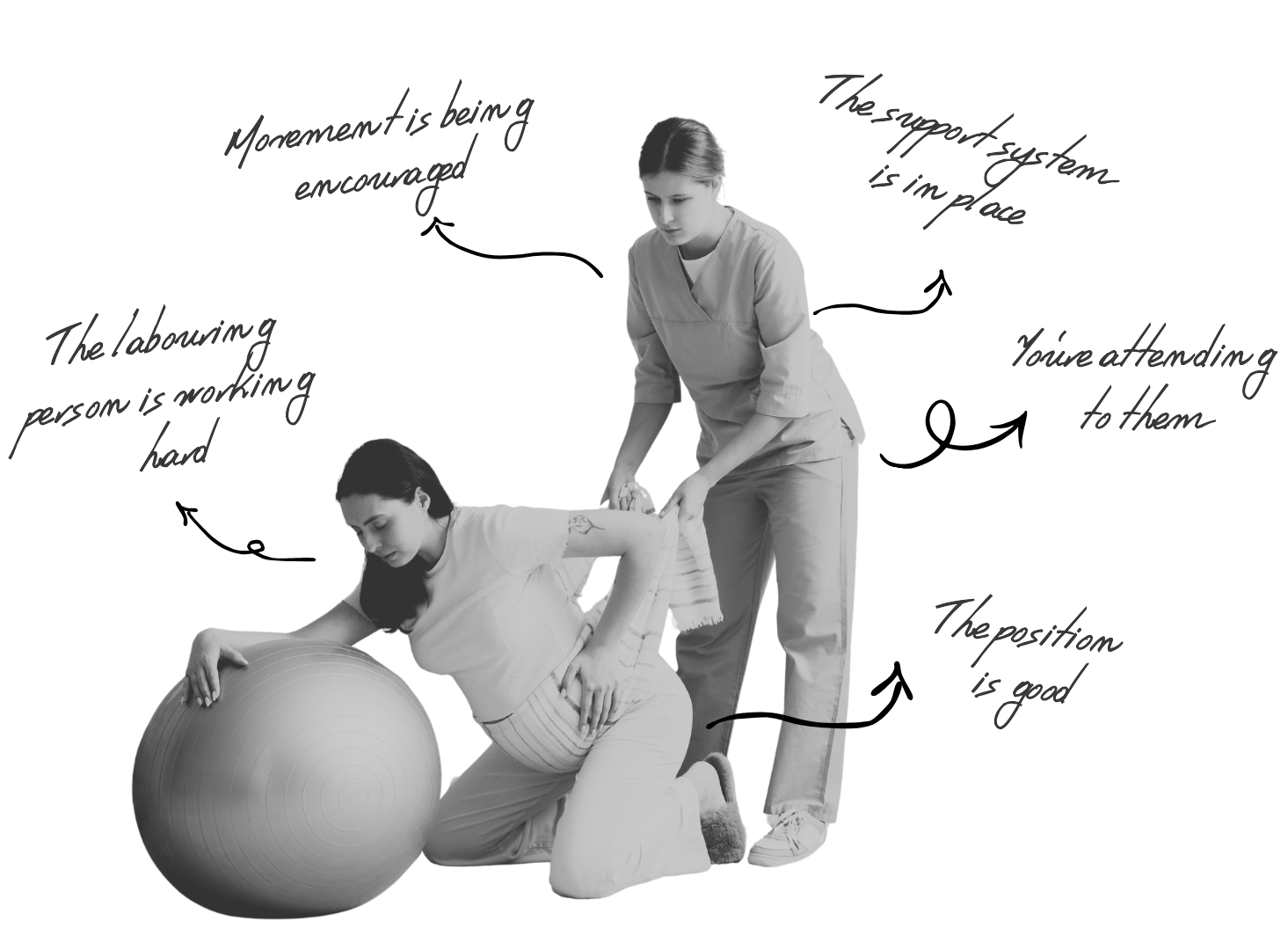
And yet, for some reason, the labour stalls.

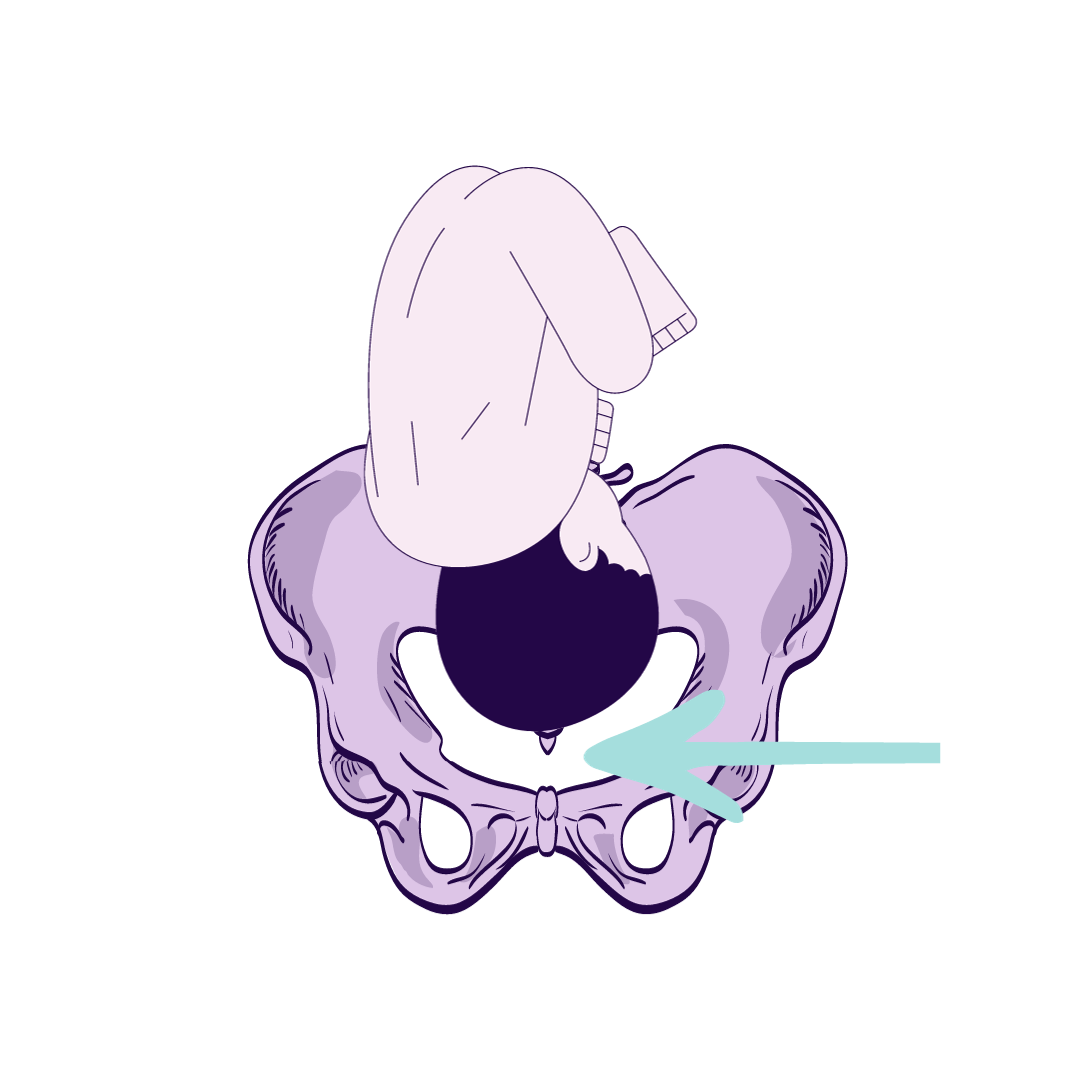
The baby doesn’t descend or rotate as expected
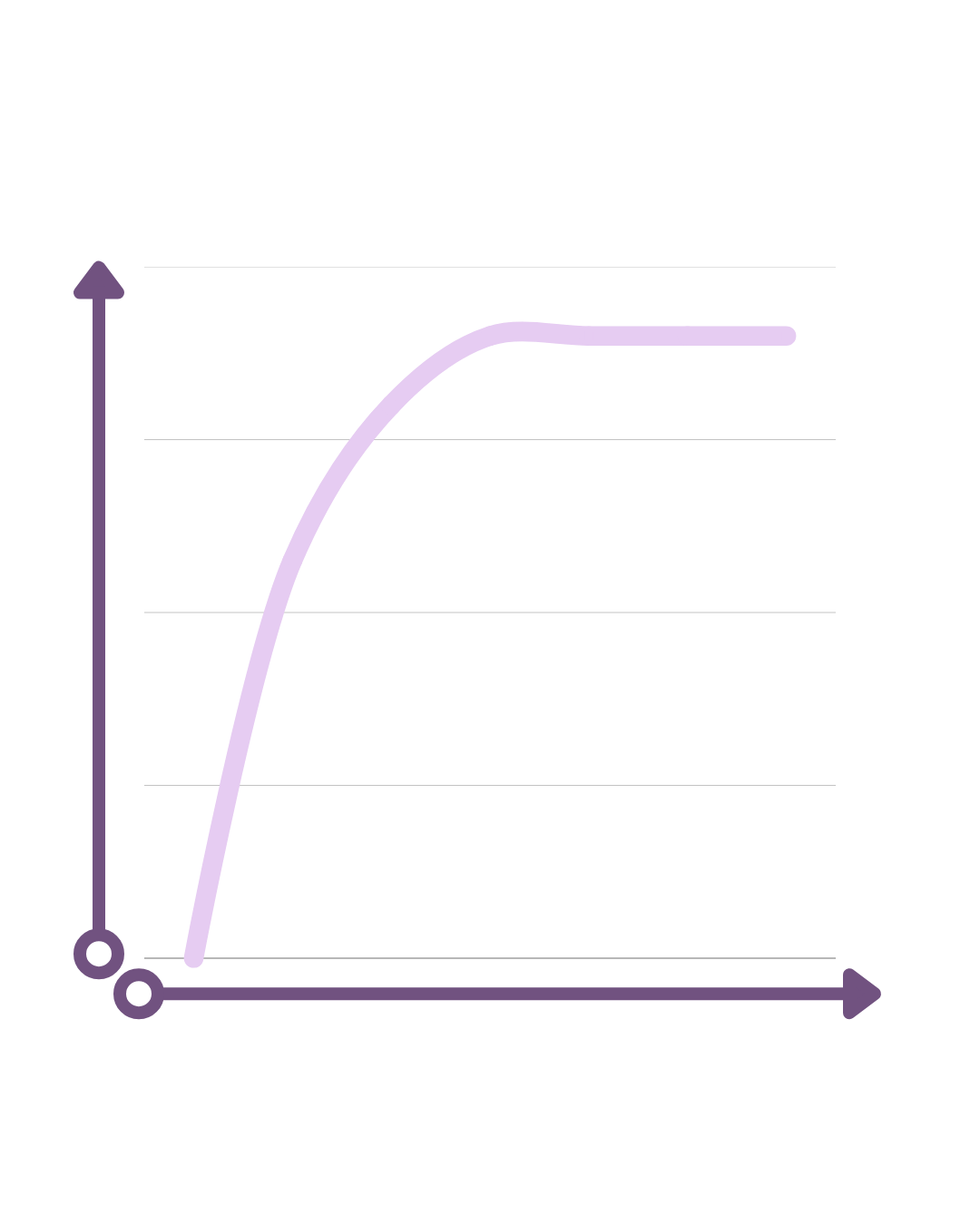
Progress slows down without any clear reason

You change your approach based on your knowledge and experience

And still the labour doesn’t respond in the way you have been taught
When you reach this point, the moment is rarely dramatic. It is quiet, subtle, and often internal.
But, they do create an unspoken, nagging, and persistent question about the nature of what is occurring.
What’s really happening here?
If you find yourself here, it is not because you lack skill, effort, or care.
You have attended many births. You understand physiology. You use positioning techniques thoughtfully and with intention. And still, there are situations where the usual explanations feel incomplete.
Not wrong. Just insufficient.
Much of fetal positioning education focuses on what to do:

Specific Movements

Specific Positions

Specific Sequences
These approaches can be useful, and they often work.
But they don’t provide an adequate explanation of why babies behave as they do within specific bodies, at specific times, and under specific circumstances.
When labour doesn’t respond, the gap becomes visible.
The issue is rarely the technique itself.
More often, it is that many existing models of fetal positioning do not fully account for:
→ Tissue Behaviour
→ Fascial Tension
→ The Influence of the Nervous System
→How emotions held in the body impacts a baby's position and labour progress.
Without a framework to interpret what is happening beneath what you can see, you are left making clinical decisions without the clarity you sense should be possible.
The G.Lorri™ Fetal Positioning Method was developed in response to this exact gap.
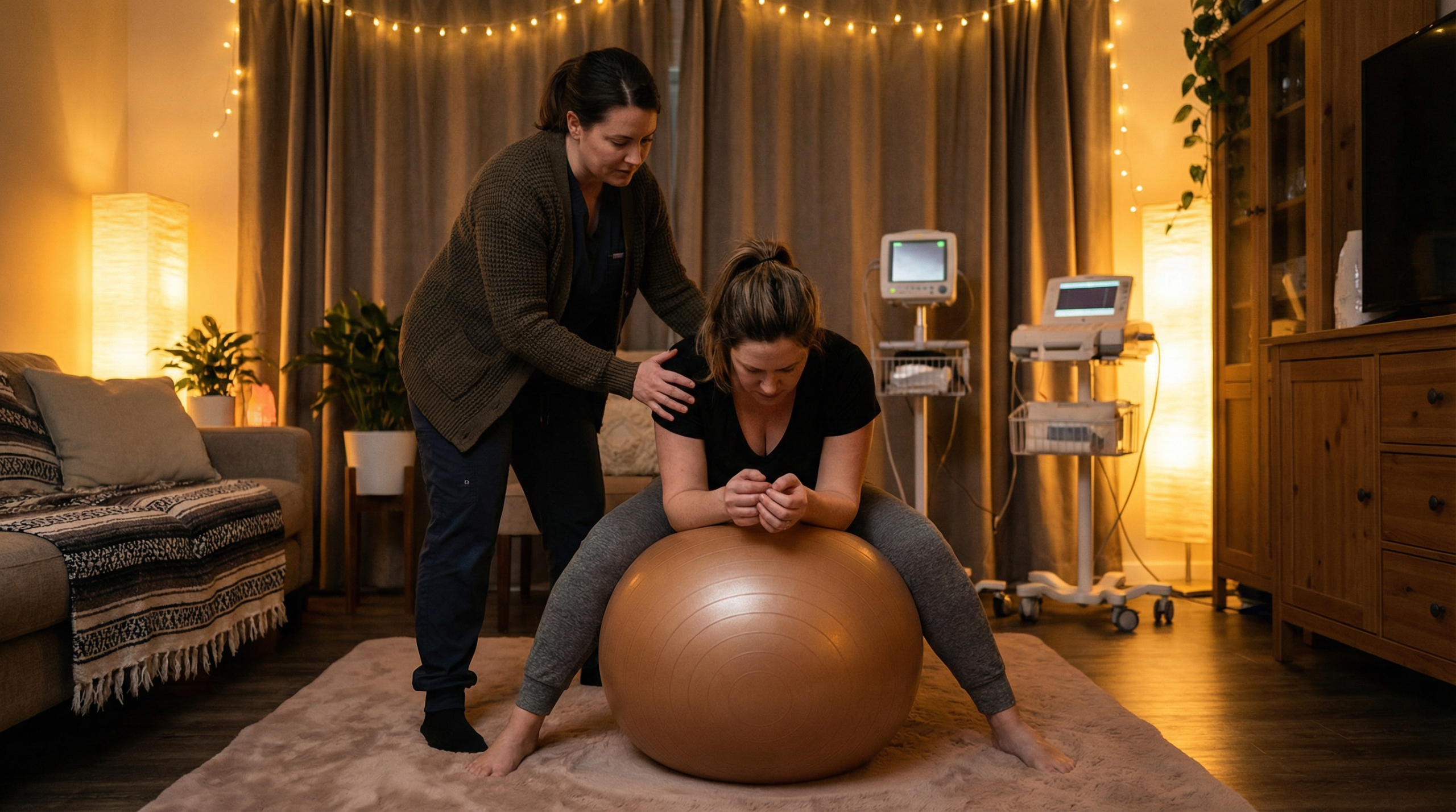
Most fetal positioning education is taught through maternal positioning.
It focuses on anticipation of fetal pathway, maternal posture, and maternal movement.
What it often overlooks is how fascial tissue influences baby, fascial tension's impact on important structures for birth, and the nervous system's influence on where a baby is allowed to navigate.
Two labours can look similar on the outside and behave entirely differently on the inside.
Without a way to interpret those internal dynamics, practitioners are left responding to outcomes, not understanding causes.
This is where the gap appears, not in skill but in framework.
When labour stalls, this is often because the baby is responding to restrictions or imbalances that cannot be resolved by position alone. Without understanding those influences, even well-chosen techniques can feel like guesswork.
The question then becomes not “What should I do next?” but “What is the baby responding to, and WHY?”
That question requires a different way of thinking…
Introducing
The G.Lorri™ Fetal Positioning Method
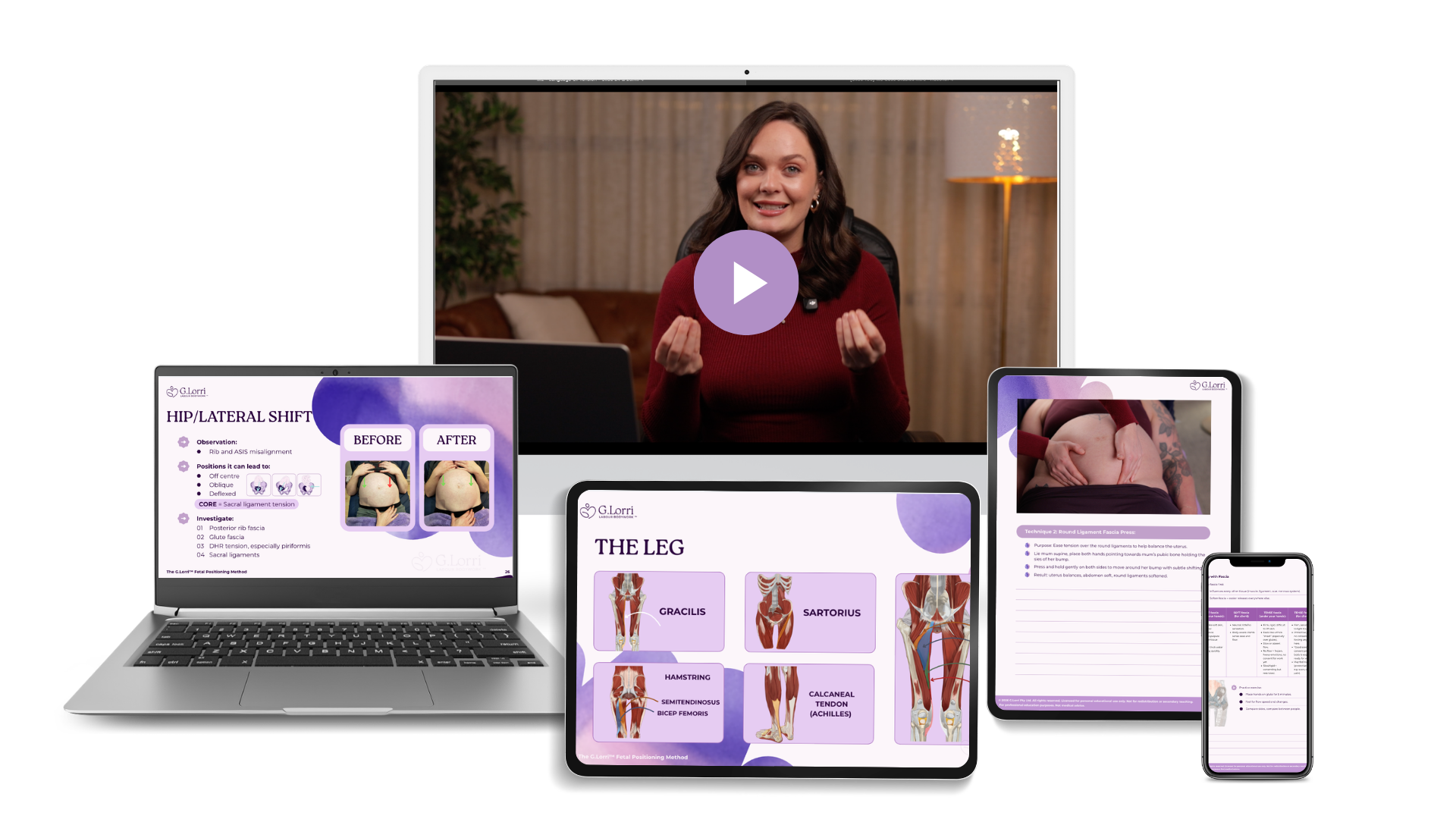
The G.Lorri™ Fetal Positioning Method is not a collection of techniques.

It’s a fascia-based framework for understanding fetal behaviour in relation to tissue dynamics, biomechanics, and the lived reality of the pregnant body.

Rather than teaching you what to apply in a given moment, the method focuses on interpretation.
It offers language and structure for what you are already seeing, feeling, and noticing in labour, but may not yet have had a way to articulate clearly.

At its core, this work explores how tension patterns, connective tissue behaviour, and internal spatial relationships influence how a baby moves, settles, and responds during labour.

This is not about overriding physiology or forcing outcomes. It is about learning to assess and understand the conditions within which physiology operates.
For many people, encountering this framework feels less like learning something entirely new and more like recognising something that has always been present but unnamed.

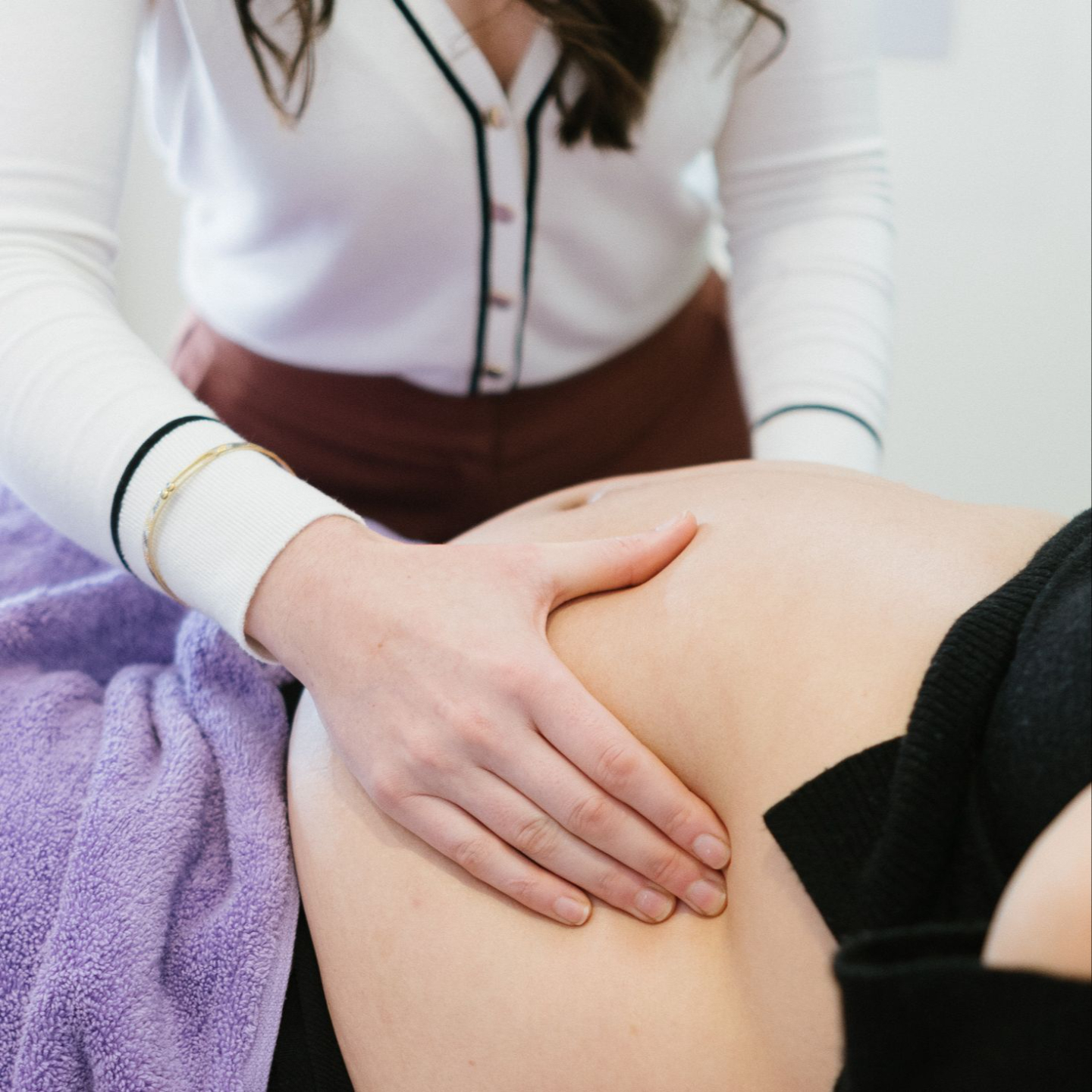
Patterns begin to make sense
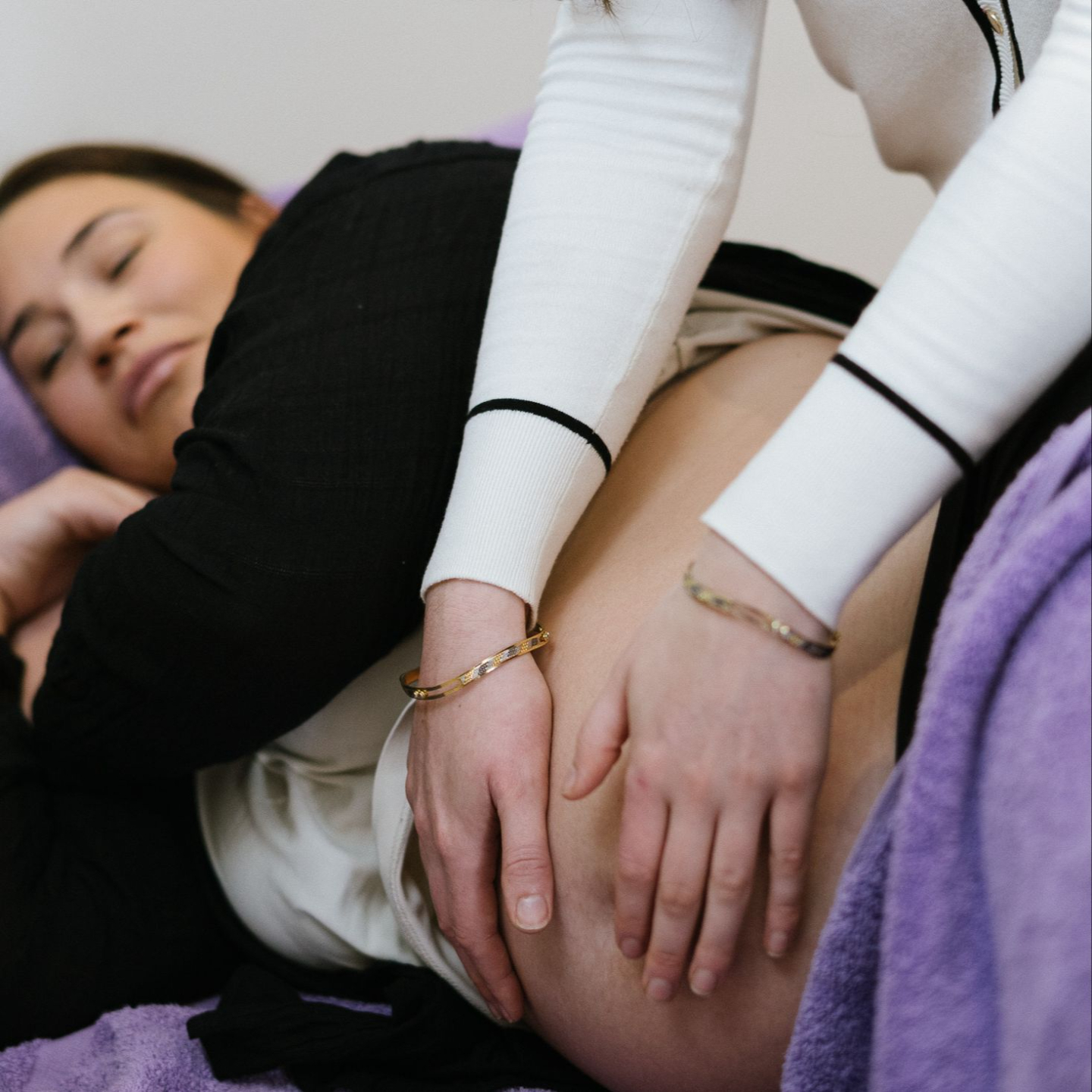
Labours that once felt unpredictable become more intelligible
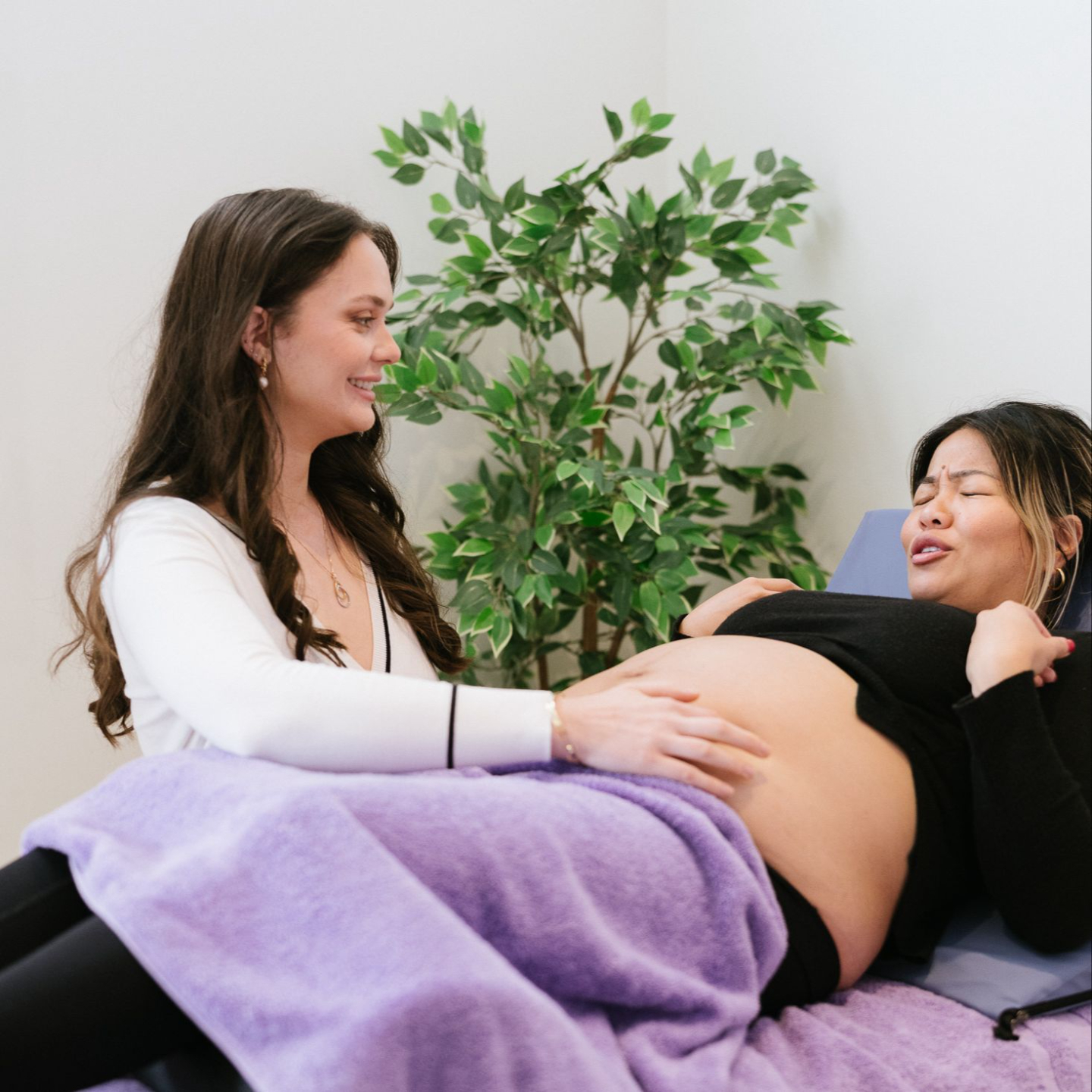
Decision-making becomes less reactive and more grounded in understanding instead of urgency

Importantly, this method doesn’t position itself as superior to existing approaches. It builds alongside them, offering depth where other models simplify.
It exists because experienced practitioners noticed that something more was happening, and needed a way to understand it clearly.
What Changes When Understanding Changes
When your understanding of what is happening in labour deepens, the shift is often felt before it is fully conscious.
Assessment slows down in a useful way
Instead of moving quickly to the next technique, your attention naturally turns inward:
➜ Toward tissue tone
➜ Toward asymmetries that were previously difficult to name
➜ Toward how the baby is responding within the available space (instead of how closely labour matches expectation)
Decision-making becomes less reactive
➜You will no longer feel pressure to intervene simply because progress has stalled, and instead will become better at discerning what the specific situation is actually asking for
➜ As a result, interventions are chosen with intention, not with urgency
There is also a noticeable change in how complexity is held
➜ When labour unfolds in unexpected ways, you may notice a greater sense of steadiness. Not because uncertainty disappears, but because it becomes more intelligible.
➜ The work no longer feels like a series of disconnected adjustments. It begins to feel like a coherent process you can observe, interpret, and respond to with clarity.
This shift supports leadership.
➜ Conversations with birthing people feel calmer and more grounded
➜ You can explain what you are noticing without speculation or over-justification
➜ Collaboration with colleagues is strengthened by shared language and reasoning
For many, this work restores trust in their own clinical thinking by giving structure to what they already sense.

The Learning Experience as a Whole
The G.Lorri™ Fetal Positioning Method is designed as a single, integrated learning journey.
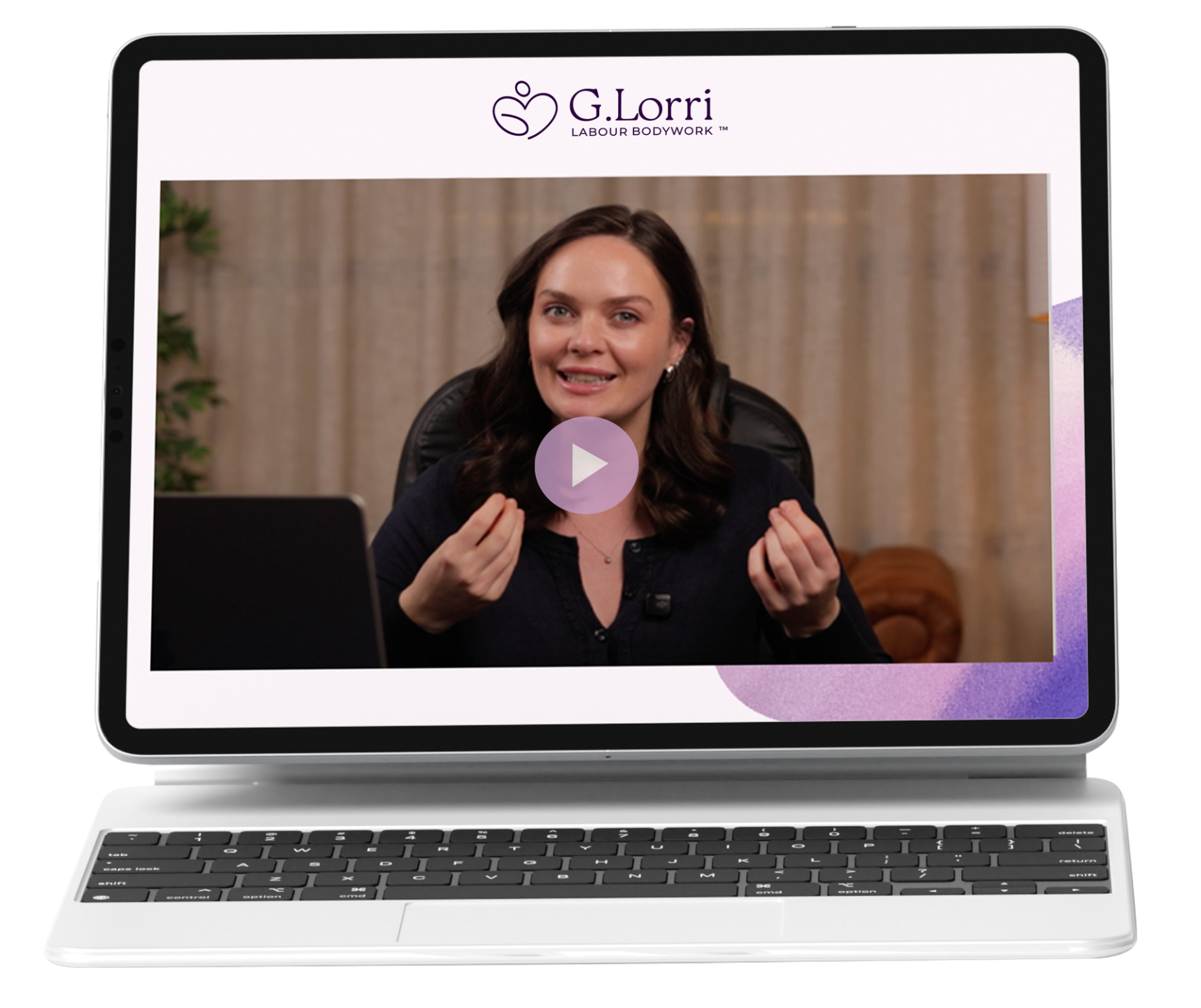
1. The Online Course
It provides the conceptual foundation of the G.Lorri Method.
This is where you engage deeply with the framework, exploring fascia, tissue behaviour, biomechanics, and fetal movement patterns in a way that progressively builds understanding. Concepts are introduced carefully and revisited as the framework becomes more layered.
This part of the experience is intentionally reflective. You are invited to think alongside the material, noticing how it aligns with, challenges, or reframes what you already observe in practice.
2. The Founding Community
You’re not learning alone, there’s a dedicated online community around this work
Space is built in for questions, dialogue, and clarification. This is not about demonstrating competence; it’s about deepening understanding in a supported environment.
Alongside this, you become part of a professional community engaging with the same framework. This shared space supports ongoing reflection as the method begins to influence your work beyond the course itself.
Together, these elements create a learning journey that respects how experienced practitioners actually learn. Through understanding, embodiment, dialogue, and time.
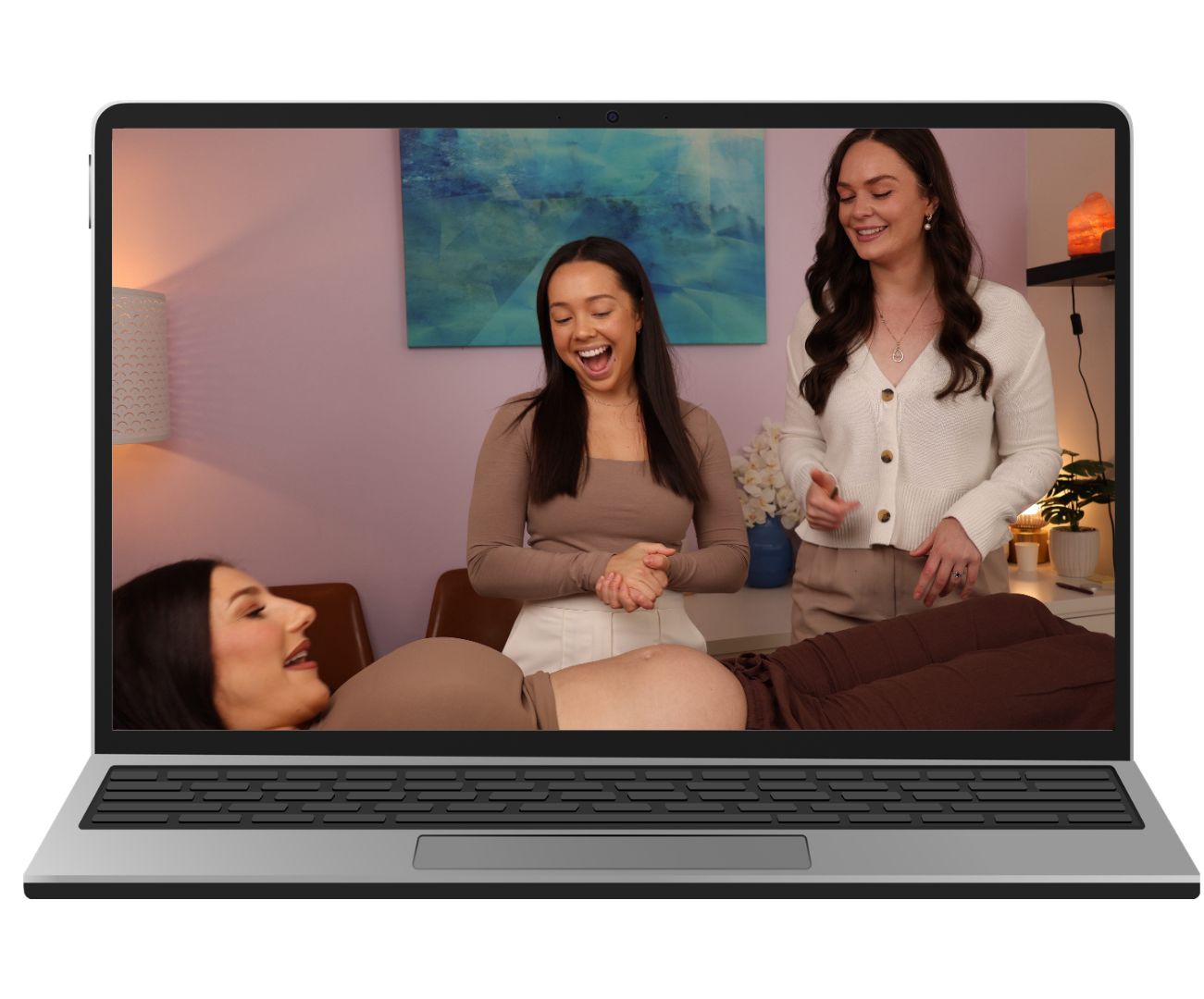
3. The 3 day Immersive Workshop
The workshop is where you actually learn to do the hands‑on techniques.
This founding member cohort is for practitioners who can attend the in‑person workshops in Melbourne, Australia. The workshop is an essential part of this first round.
Working in a small group setting allows for hands-on exploration, observation, and discussion. You will have the opportunity to feel tissue responses, explore assessment in real time, and examine how the framework informs decision-making in complex situations. The workshop is fully catered to support focus, presence, and integration across the three days.
Course Content and Progression
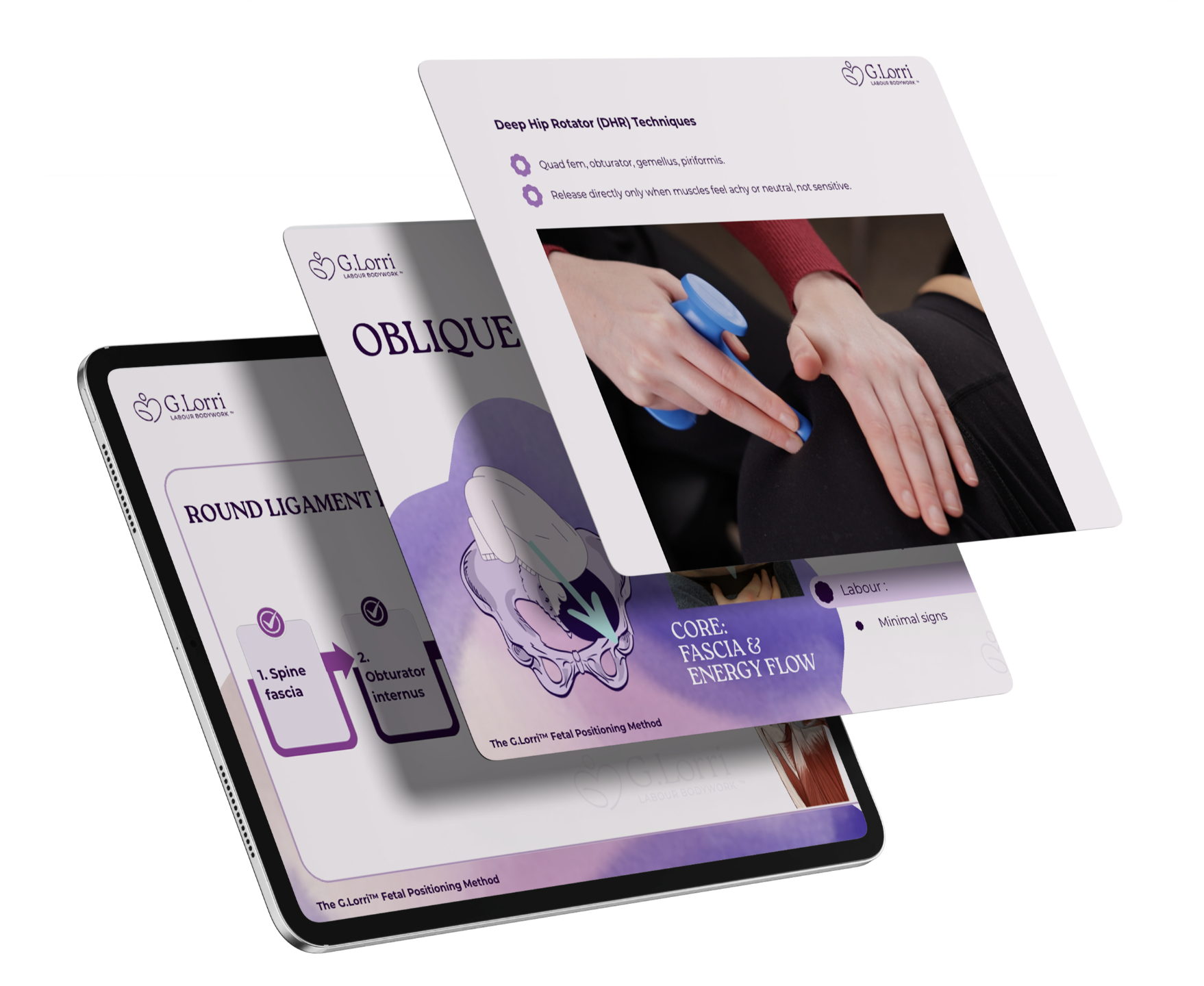
The 6 modules are designed to build your understanding progressively, allowing insight to deepen.
Each module layers onto the last, helping you develop a clearer, more embodied way of interpreting what you see and feel in practice.
By the end of the course, the aim is not mastery. It is confidence in your thinking and an ability to continue applying the framework as your experience grows.
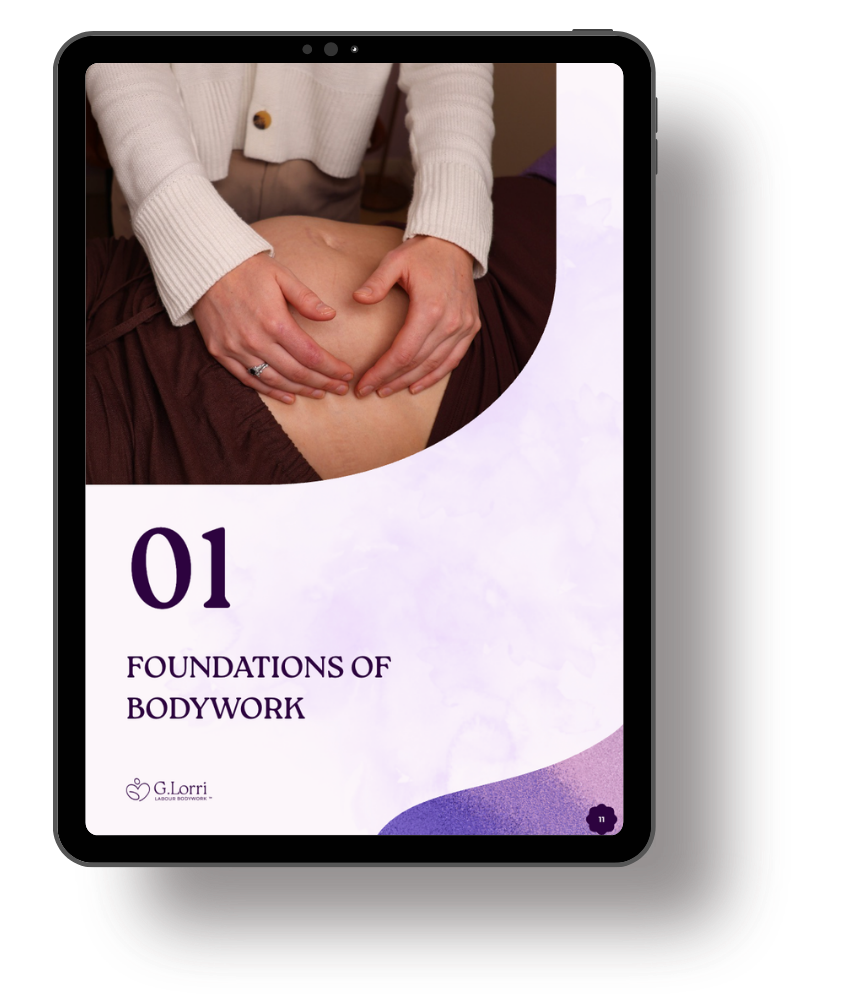
Module 1 -Foundations of Bodywork: Rediscovering the Body
This opening module lays the groundwork for everything that follows.
You are invited to revisit anatomy as living, responsive tissue. The focus here is on reorienting how you see and relate to the body, particularly in the context of pregnancy and birth.
You will begin to develop the lens that underpins the entire method. Learning to notice tension, function, and fascia as dynamic elements that influence how a body adapts and responds over time.
This module sets the tone for the work. It is less about memorising structures and more about learning how to see the body with fresh clarity.
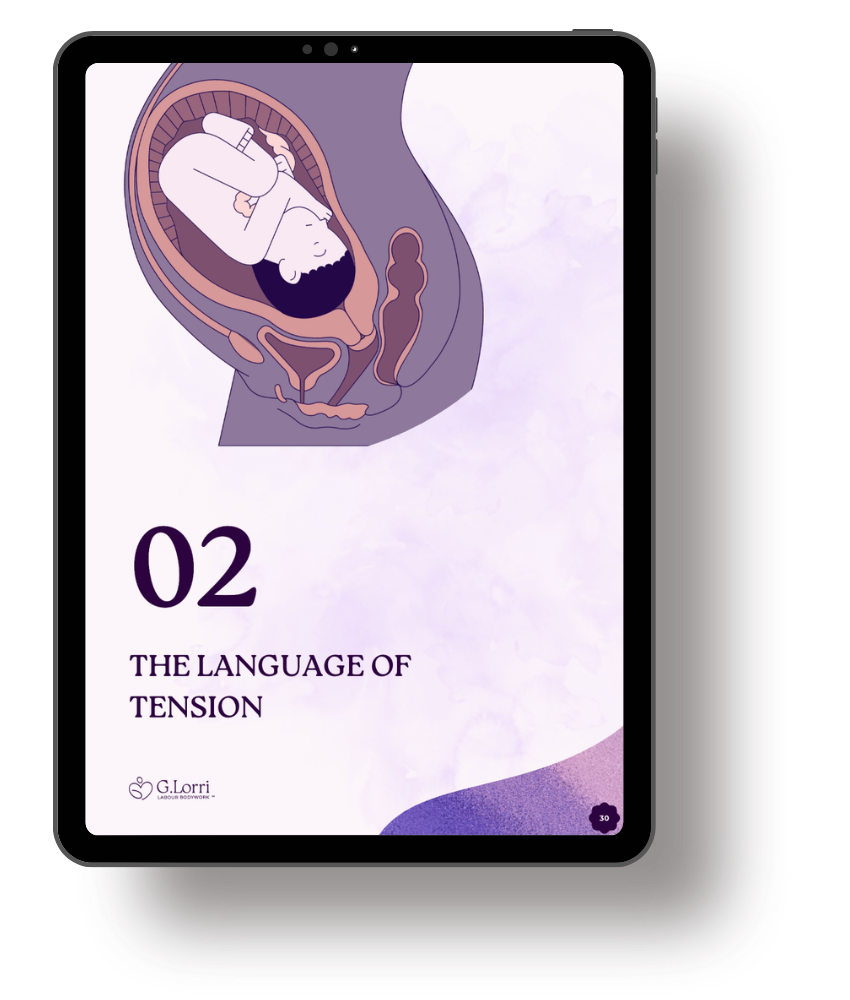
Module 2 - The Language of Tension
Tension communicates long before labour begins.
In this module, you explore how the body expresses itself through posture, breathing patterns, pregnancy discomforts, and fascial lines. Instead of treating these as isolated symptoms, you learn to interpret them as meaningful information.
You begin to understand what the body may be communicating about baby’s position, maternal wellbeing, and the potential pathways labour may take.
This module supports a shift from problem-solving to interpretation. Helping you listen more carefully to what is already being expressed.
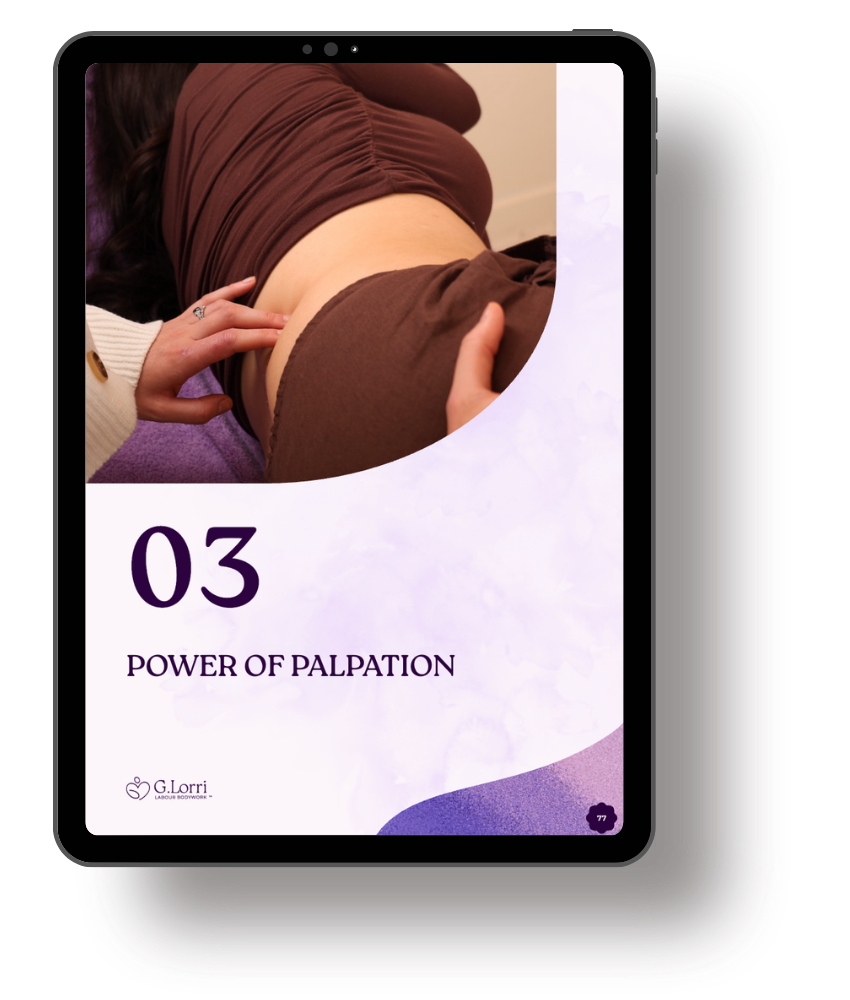
Module 3 - The Power of Palpation
Your hands become instruments of insight.
Here, the work moves into embodied assessment. You learn to locate and interpret soft tissue tension through touch, developing greater sensitivity to what is happening beneath the surface.
Abdominal palpation is revisited with a new intention, not simply to locate the baby; to sense texture, tone, responsiveness, and the relationship between layers.
This module deepens your ability to assess with confidence, using your hands to gather information more than to confirm assumptions.
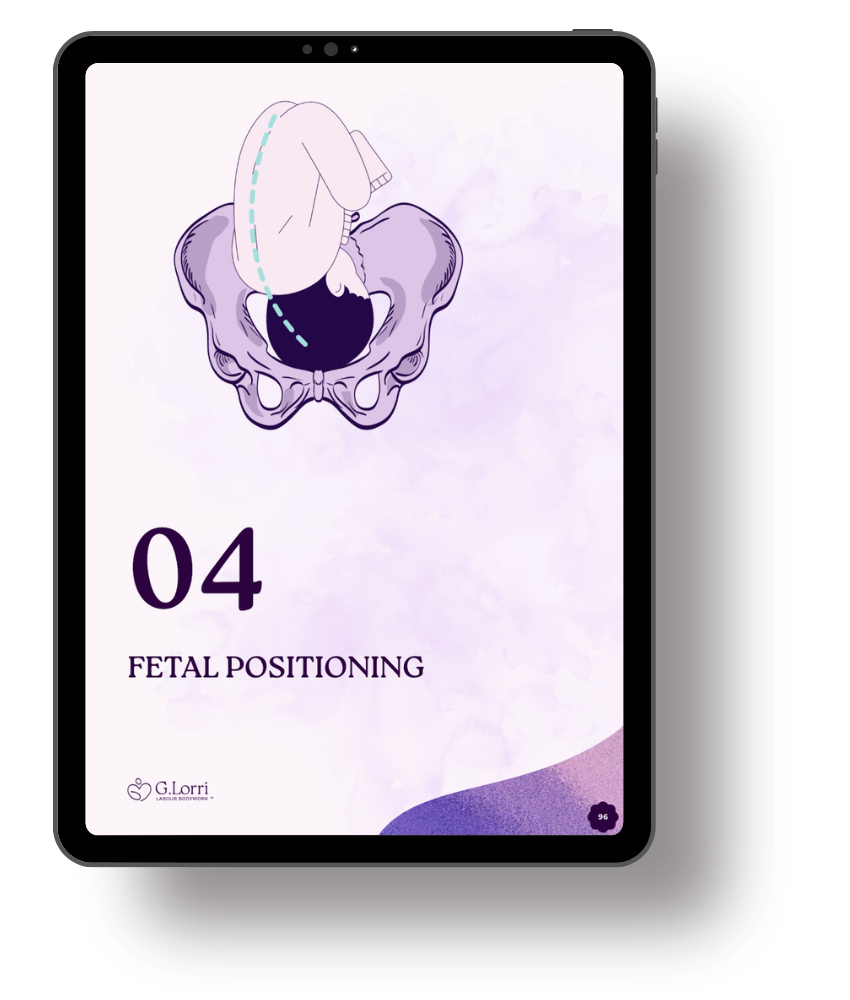
Module 4 - Fetal Positioning Through a Fascia-Based Lens
This is where the framework begins to come together.
You move beyond simplified labels and begin to understand less-than-optimal fetal positions in relation to fascial patterns and whole body organisation. Instead of categorising position alone, you explore how internal dynamics influence what is possible for baby and body.
You are guided in applying soft tissue approaches that work with the body’s inherent wisdom, not attempt to override it.
This module includes real-world demonstrations and clinical reasoning to support decision-making when labour does not progress as expected.
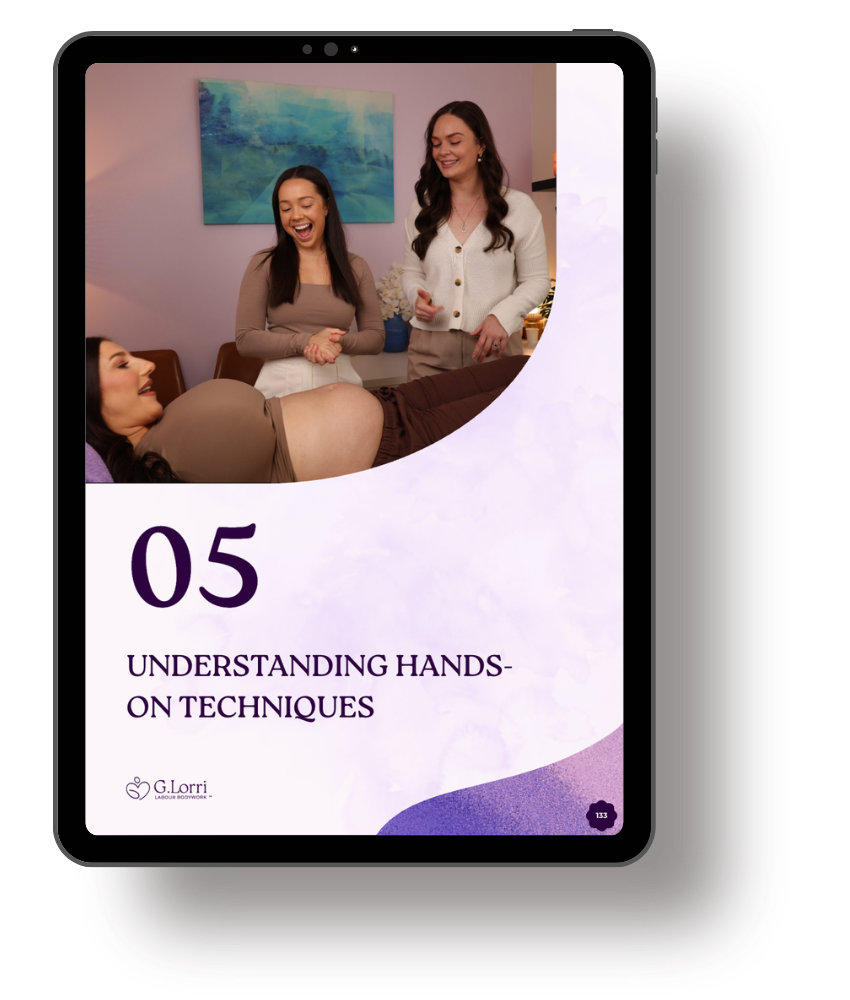
Module 5 - Understanding Hands-On Techniques
Tension is not released through force. It is invited.
This module introduces a carefully considered library of manual techniques grounded in safety, consent, and practitioner skill. You explore ligament tension release, fascial techniques, and supportive stretches designed to restore mobility and comfort.
Rather than learning techniques in isolation, you are shown how and when to apply them based on what you are observing and feeling in the body.
The focus remains on thoughtful, fascia-informed work that is gentle, responsive, and deeply effective.
Module 6 - Putting It Into Practice
The final module bridges understanding with real-world application.
You work through practical case studies that reflect common patterns, nuanced presentations, and complex labour scenarios. These examples allow you to integrate the framework and refine how you assess, decide, and respond in practice.
The intention here is more about integration than completion.
You leave with tools but more so with greater clarity, confidence, and an ability to continue applying the framework as your experience grows.
Inside the Three-Day Workshop
You can choose 1 of 3 Workshop windows available for this founding intake:
❌ Workshop 1: Friday 2nd to Sunday 4th October 2026 [SOLD OUT]
❌ Workshop 2: Friday 20th to Sunday 22nd November 2026 [SOLD OUT]
❌ Workshop 3: Friday 19th to Sunday 21st March 2027 [SOLD OUT]
All workshops are held in Melbourne, Australia over a Friday to Sunday. Once you enrol, you will receive a link to select the date that works best for you. Workshop location details will be confirmed inside The G.Lorri™ Founding Community.
-
Day One: The Foundation of Touch
Before technique comes sensitivity. Day One is dedicated to building the palpation skills that underpin everything else in this method.
You will learn to distinguish different tissue textures, feel how fascia moves, and begin to recognise what you are sensing beneath your hands with greater clarity and confidence. Abdominal palpation is revisited through this lens, not simply to locate the baby, but to assess what is informing its position.
From there, the work moves into the three core structures: fascia, muscle, and ligament and the specific hands-on techniques associated with each. By the end of Day One, you will have a working relationship with the language of tissue through touch.
-
Day Two: Release Techniques in Practice
Day Two moves into the full range of hands-on release work that forms the practical core of the method.
You will work through eleven key areas of the body, from the sacrum and psoas, to the diaphragm, ribs, abdomen, and legs, learning to identify and address the tissue restrictions most likely to influence fetal positioning and labour progress. Each area has its own set of techniques, and you will practise these systematically before applying them in context.
The afternoon is reserved for real-world application. You will work with pregnant clients, putting the assessment and release techniques into practice under direct guidance. This is where the method stops being theoretical and begins to feel genuinely usable.
-
Day Three: The Nervous System and Integration
The final day introduces the most nuanced dimension of this framework: the role of the nervous system.
You will learn to recognise when the nervous system is a contributing factor in what you are observing, and explore the fascia-based technique used to work with it. This includes specific assessment points used to evaluate nervous system tone, and an approach to this work that begins with protecting your own energy as a practitioner.
The day closes with case study review, summary, and space for reflection and questions. You leave with your certificate of completion and, more importantly, a method that is now yours to take into practice.
Once you enrol, you will receive a link to select the date that works best for you. Workshop location details will be confirmed inside The G.Lorri™ Founding Community.
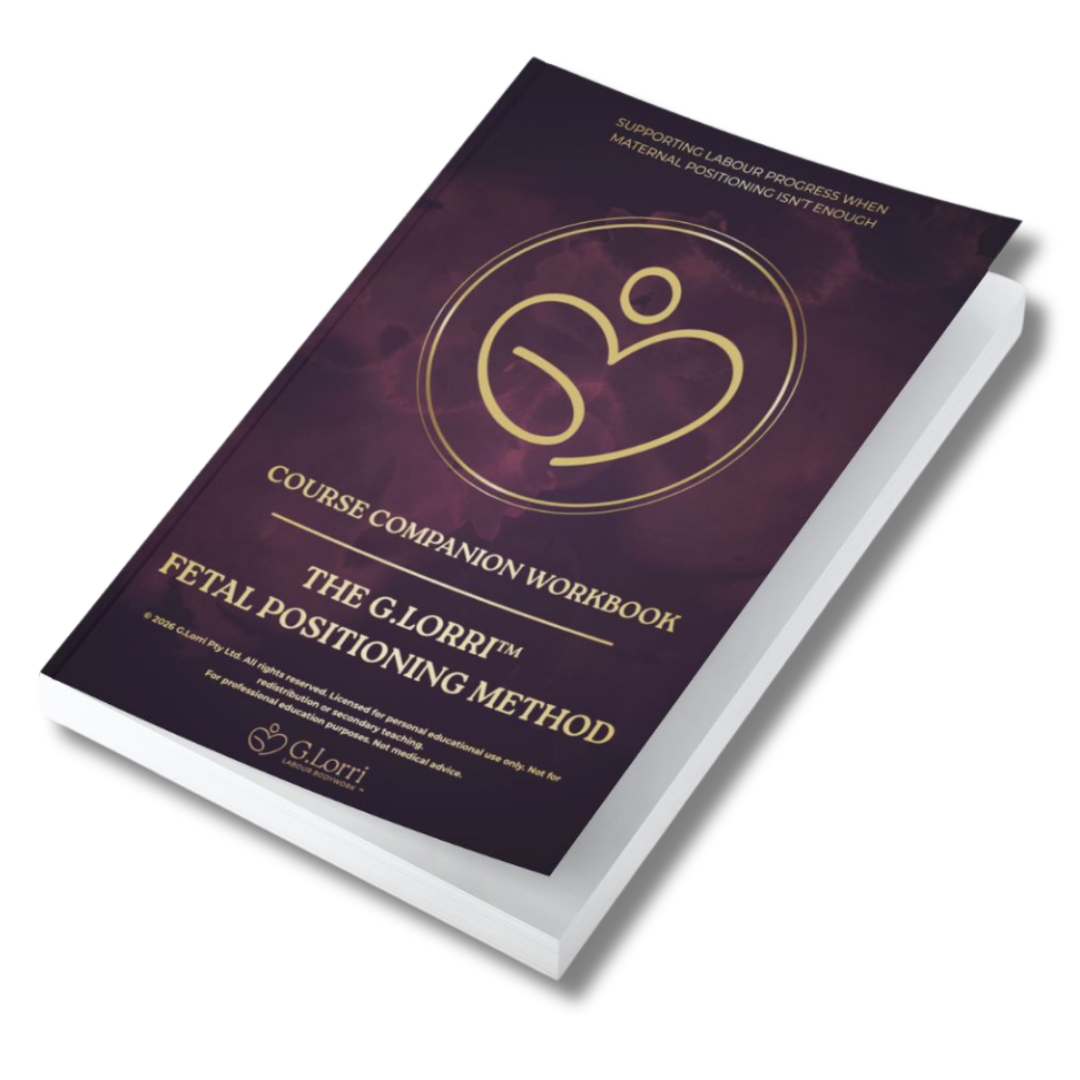
The Course Workbook
Alongside the online course, every Founding Member receives a printed Course Workbook Companion, designed to support your learning and make the experience as seamless as possible. The workbook will be shipped very shortly.
Your workbook will be posted within 1-2 business days of purchase and should reach you within 1-4 days of dispatch.
When Experienced Practitioners Ask for Something, It Means Something
Over time, something began to happen quietly.
Practitioners started reaching out.
They were asking about the framework itself.
The requests came from birth workers who were already skilled.
People who had been supporting labour for years.
Who understood physiology, applied positioning thoughtfully, and recognised when labour was responding to something beneath the surface that existing models could not quite explain.
They had noticed the work.
Observed its application in real clinical settings.
Seen outcomes shift in ways that felt meaningful, not merely fortunate.
And they wanted access.



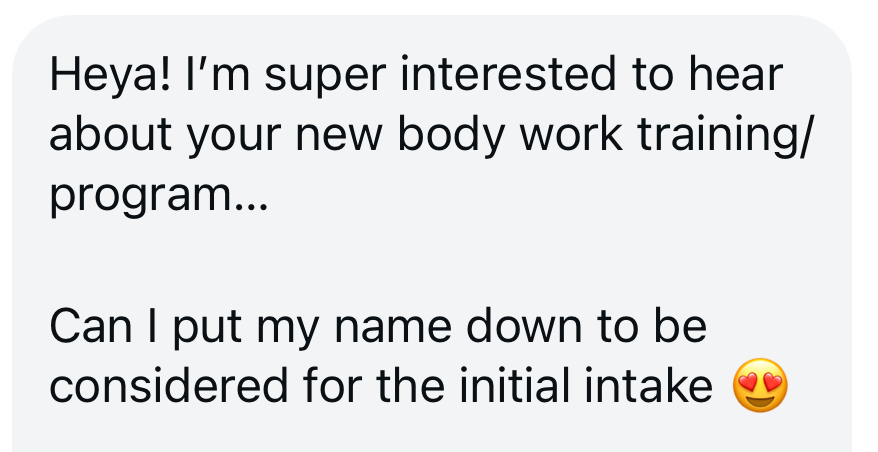
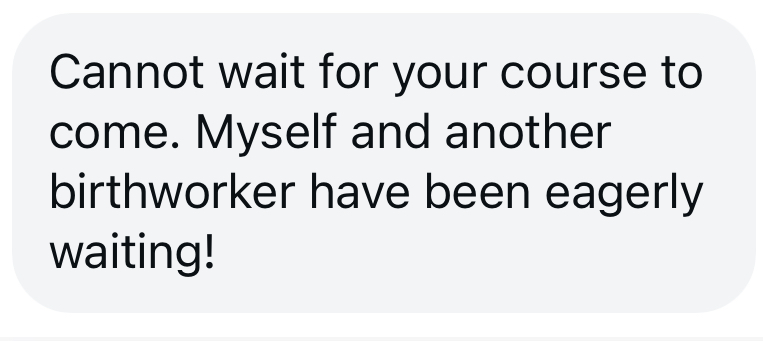




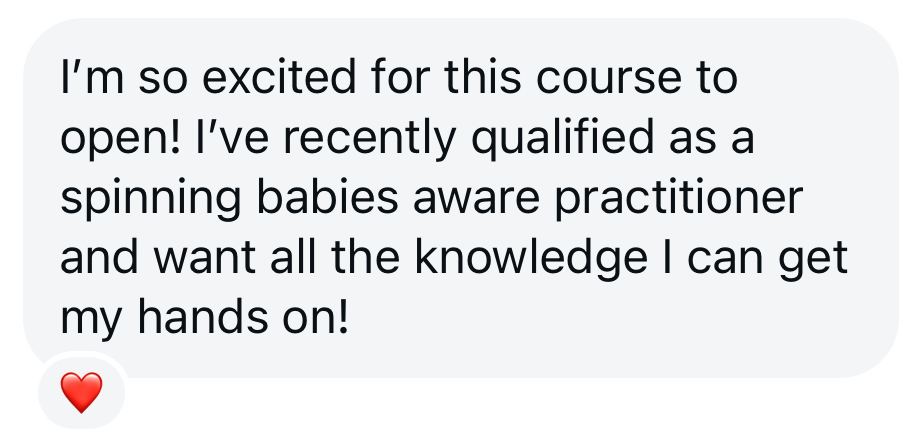

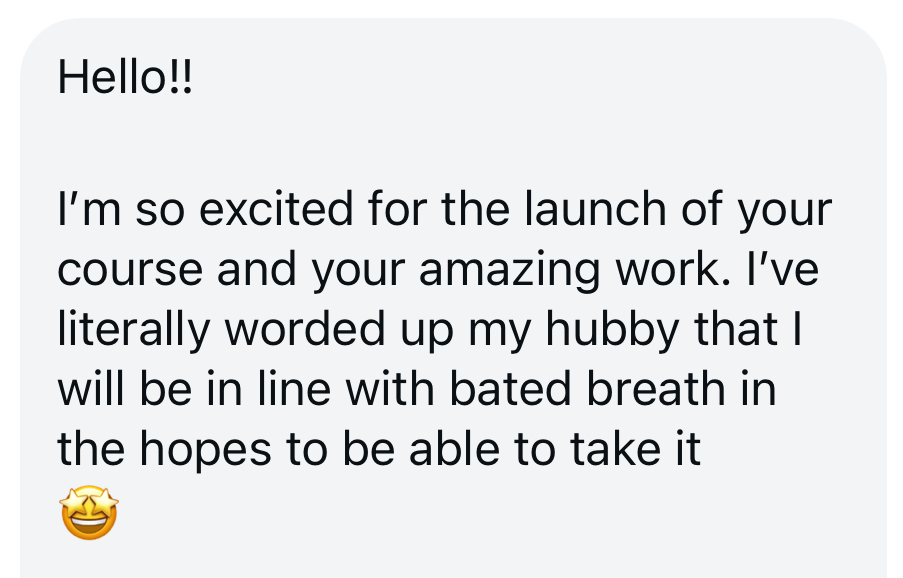

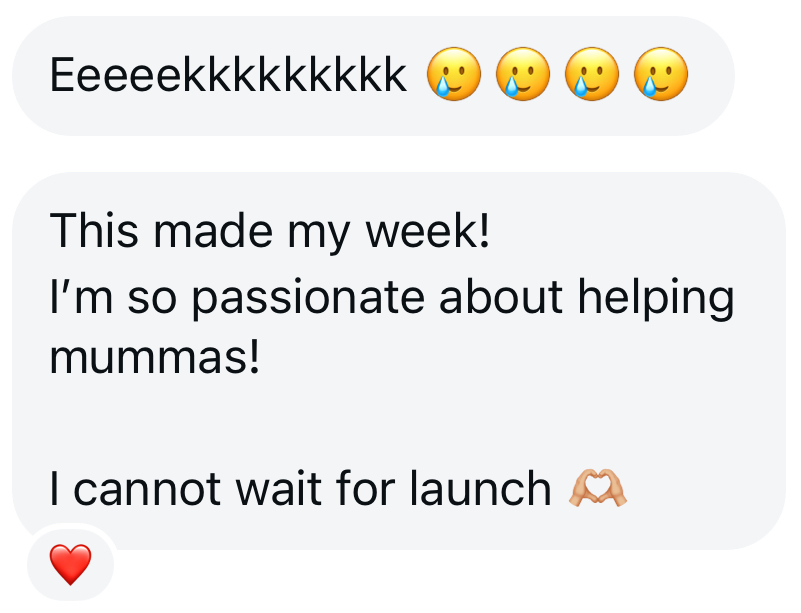
What these messages represent is not demand in the typical sense.


These are not people seeking certification for its own sake.
They are not looking for something to add to a bio or a credential to list publicly.

These are practitioners asking because they have reached the limits of what they can understand through existing frameworks.
Because they encounter labour situations where technique alone feels insufficient. Because they sense that something more coherent is possible.

When people with experience ask for something repeatedly, it is worth paying attention.
Not because popularity validates the work, but because discerning practitioners recognise when a framework addresses something real.
The G.Lorri™ Method exists because the gap it addresses has been felt widely.
And because those who work closely with complexity know the difference between novelty and substance.
A Considered Invitation
This founding member cohort is for practitioners who can attend the 3 day in‑person workshops in Melbourne, Australia. The workshop is an essential part of this first round. If you know you can’t travel to a workshop, this cohort is not the right fit.
This is not an attempt to convince you of anything.
It is an invitation to those who recognise themselves in what has been described and feel ready to engage with this work in depth.
Joining as a Founding Member is a commitment to learning, reflection, and participation in something that is still alive and evolving.
If this aligns with how you approach your practice, you are warmly invited to be part of this first cohort.
Join the 2027 Priority AccessJoin The Founding Member!
This is a one-time opportunity to join The G.Lorri Labour Bodywork Course as a Founding Member and get early access to the tools, skills, and body-based methods that are transforming the birth space.
You can choose 1 of 3 Workshop windows available for this founding intake:
❌ Workshop 1: Friday 2nd to Sunday 4th October 2026 [SOLD OUT]
❌ Workshop 2: Friday 20th to Sunday 22nd November 2026 [SOLD OUT]
❌ Workshop 3: Friday 19th to Sunday 21st March 2027 [SOLD OUT]
All workshops are held in Melbourne, Australia over a Friday to Sunday. Once you enrol, you will receive a link to select the date that works best for you. Workshop location details will be confirmed inside The G.Lorri™ Founding Community.
Once you enrol, you will receive a link to select the date that works best for you. Workshop location details will be confirmed inside The G.Lorri™ Founding Community.



Investment and Refund Considerations
Because this work is designed to be engaged with in depth, clarity around commitment is important.
We understand that enrolling in a program of this level is a considered decision. For that reason, a limited refund window is provided to allow you to experience the opening of the framework before fully committing.

Refund Window
Refunds are available within 14 days of purchase, provided no more than the first module has been accessed.
Once access extends beyond Module 1, the assumption is that the learning journey has meaningfully begun, and refunds are no longer available.

Workshop Attendance
Attendance at the in-person immersive workshop also voids refund eligibility, as places are limited and prepared for with intention.

Printed Workbook
If a printed workbook has been dispatched, the cost of printing and shipping will be deducted from any approved refund. This ensures fairness while recognising the physical materials prepared specifically for your participation.
This structure is not designed to restrict access.
It exists to honour the depth of the material, the integrity of the cohort experience, and the resources allocated to each participant.
If you are uncertain, we encourage you to take the time you need before enrolling.
Discernment is welcome here.